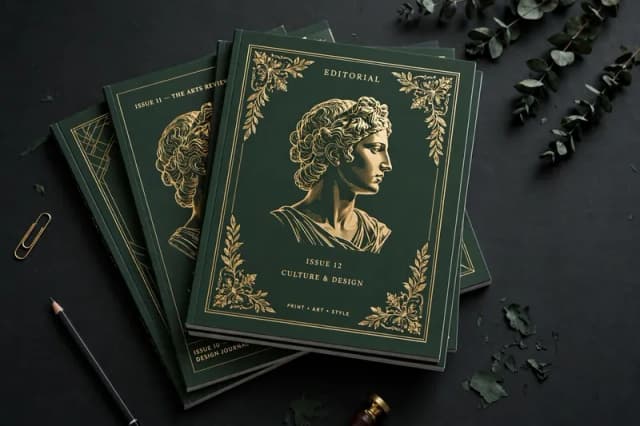
Packaging design agency
RED Sloth Media is a packaging design agency. We design boxes, labels and unboxing that make a product stand out on a shelf, in a search result, and in the first ten seconds after it arrives — for brands selling in India's metros and in foreign markets.
Packaging is the only marketing a product gets at the moment of choice. On a shelf, a buyer gives it about three seconds. Online, a thumbnail gives it less. In both cases, the package has to do three jobs at once: be found, be understood, and be wanted. Most packaging fails one of the three — it is beautiful but unreadable, clear but forgettable, or loud but cheap-looking. Our packaging work is built around that three-second test. We design for the shelf and the feed at the same time, because most products now live in both: the box that looks good in a store photo is the same box that has to survive a courier, a kitchen counter and an unboxing video. We work with food, beverage and consumer brands, SaaS companies with physical kits, and startups launching a first product. If your product is good and your packaging is holding it back, this is the service. If you only need a label resized, we will say so — packaging design is a system, not a single file.
What's included
Packaging and print design
Boxes, pouches, bottles, labels and sleeves designed as a family, so a product line looks like a range, not a collection of accidents.
Shelf and feed testing
Designs judged at shelf distance and at thumbnail size, because a package that only works when you hold it will lose both the store and the online sale.
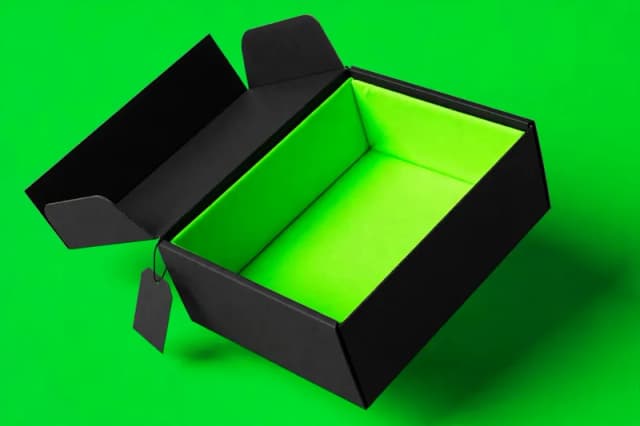
Unboxing design
The order, the reveal and the first impression when a customer opens the box — designed, not left to whatever the warehouse puts on top.
Brand fit
Packaging that matches the brand system it comes from, so the box, the website and the ad all look like the same company.
Print-ready files
Files prepared for the printer you actually use, with the dielines, colours and finishes the job needs, so the printed box matches the approved design.
Range and variant system
Rules for flavours, sizes and variants, so the tenth product in the range is as easy to design as the first, and the shelf still reads as one brand.
Process
Shelf audit
We look at where the product will actually sit — the shelf, the category, the competitors — and what every other package in that space already looks like. Difference is found there, not in a vacuum.
Structure and hierarchy
What must be read first, second and third: brand, product, variant, claim. Hierarchy is settled before decoration, because a beautiful box that cannot be read is a failed box.
Design rounds
Concepts judged at real size, at distance, and in a feed thumbnail. We mock up, photograph and compare, rather than approving a design on a screen at full size.
Print and unboxing test
A physical proof, opened the way a customer would open it, checked for colour, finish, and the first ten seconds after opening.
Handover
Print files, variant rules and a short guide for the next product in the range, so the system survives after launch.
Deliverables
- Packaging concepts and final design
- Box, label and sleeve artwork
- Unboxing sequence and inserts
- Variant and range system
- Print-ready files with dielines
- Mockups for shelf, feed and store use
Pricing signals
Typical range: ₹25,000 – ₹75,000 in India, $500 – $1,500 internationally. Range depends on product count and complexity: a single product's packaging sits at the lower end; a full range with variants and unboxing sits at the upper end. See the pricing page for the full range and custom engagements. See full pricing.
Is packaging design worth it for a product sold only online?
Yes — more so online, because the box is the first physical thing a customer touches. Unboxing, protection and the first impression after delivery are packaging work even without a shelf, and they determine whether a customer buys again or recommends the product.
- Unboxing is the first physical experience for online buyers
- Protection and presentation determine repeat purchase
- A box that photographs well also sells well in a feed
- A system, not a single file, keeps a range consistent
Frequently asked questions
What does packaging design include?
The physical package and everything around it: box or pouch, label, sleeve, inserts, and the unboxing sequence. It also includes the system for variants — flavours, sizes, bundles — so the range stays consistent as it grows, and print-ready files a printer can actually use.
How do you make packaging stand out on a shelf?
By designing for the shelf, not the screen. That means a clear hierarchy that reads at three metres, a colour and shape that break the category's pattern without looking out of place, and a brand that is recognisable even when the product name is not read. We test at distance and at thumbnail size before approving anything.
Do you handle printing, or just design?
We design and prepare print-ready files, and we work with your printer on proofs and colour. If you do not have a printer, we help you find the right kind of printer for the job — but printing itself is a separate cost, quoted by the printer, not hidden in the design fee.
Can packaging work for a product sold only online?
Yes — and it matters more online, because the box is the first physical thing a customer touches. Unboxing, protection, and the first impression after delivery are all packaging work, even when there is no shelf involved.
How many products can you design at once?
A range is designed as a system: the first product sets the rules, and each variant follows them. That is faster and more consistent than designing each product separately, and it is how a range stays recognisable as it grows.
Related work
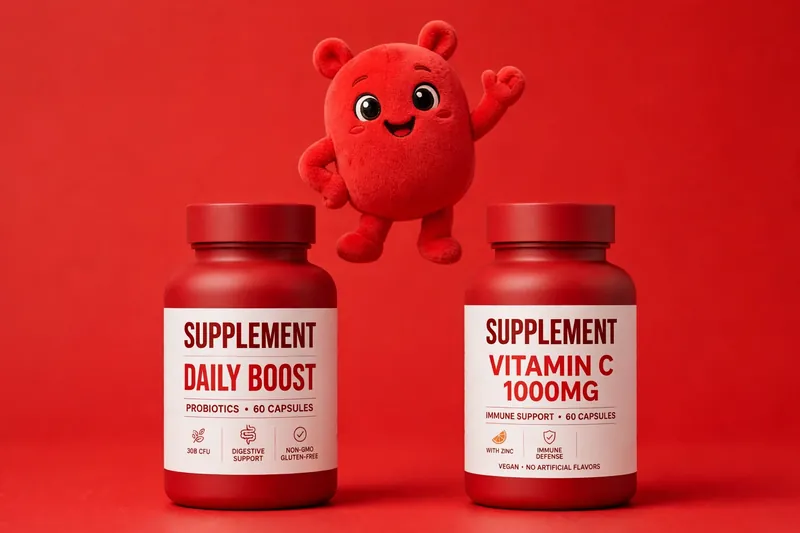 Happy NutsBranding · Packaging · Ads
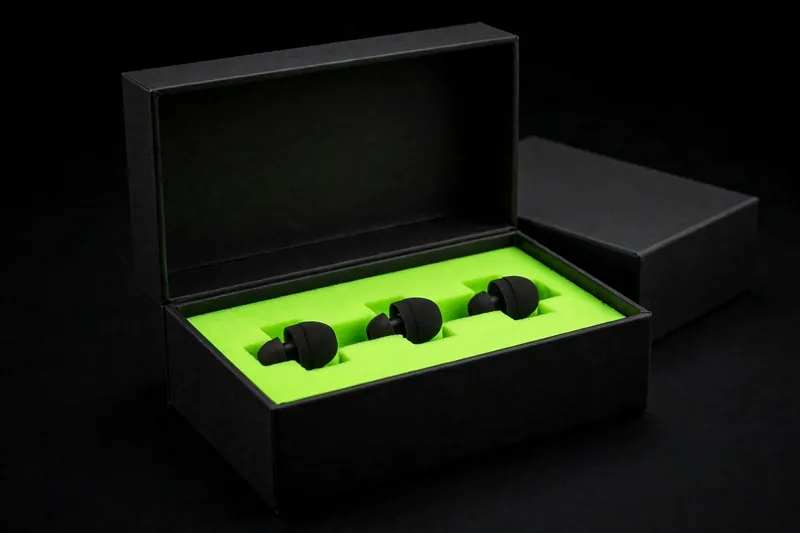 UnplugsBranding · Web Design · Packaging +1
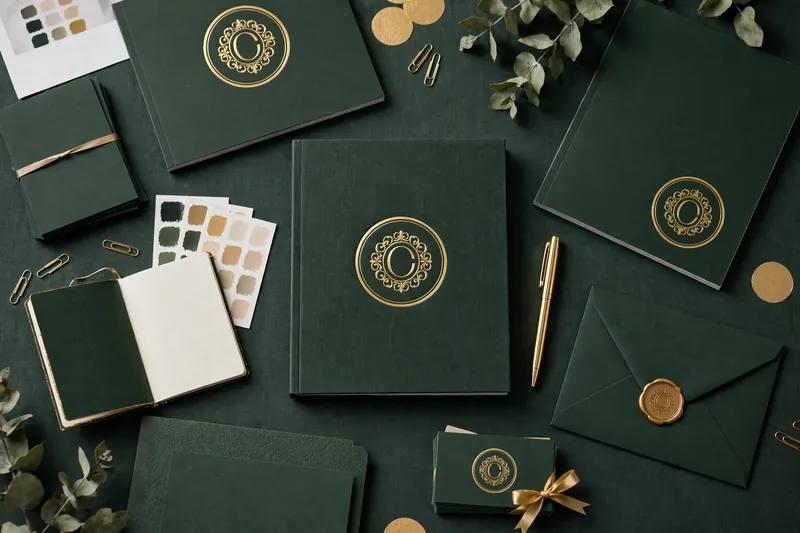 Founders ClubBranding · Web Design · Stationary +3